
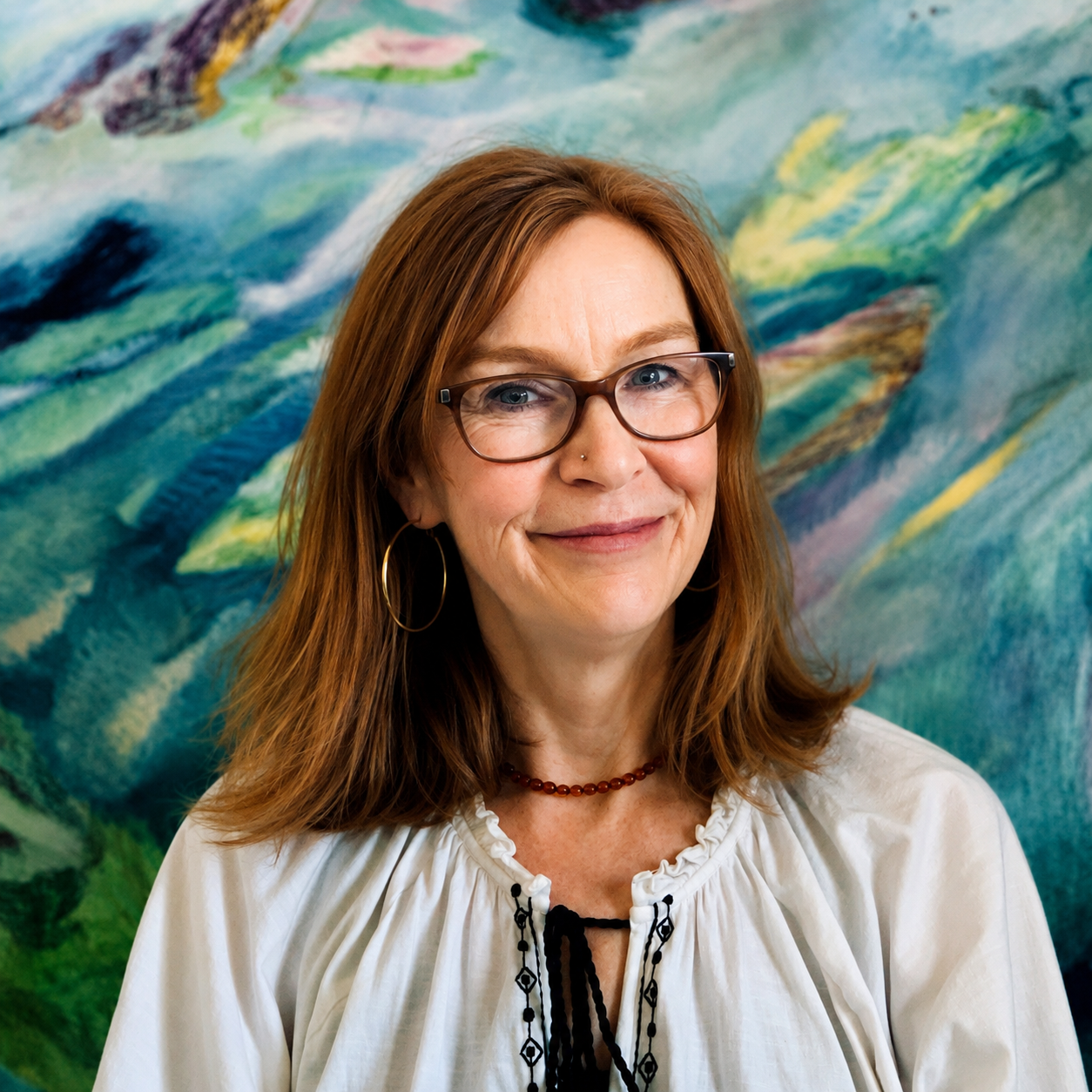
Shraddhasara
(Joanne Brown)
Somatic Experiencing
Focusing
I work in a body-based way, drawing on the skills and practices of Somatic Experiencing® (SE™), Focusing, and NeuroAffective Touch® (NATouch). I am usually known by my Buddhist name, Shraddhasara.
My approach is grounded, compassionate, and body-oriented, integrating somatic awareness with gentle, client-led exploration to support resilience and nervous system regulation.
Somatic Experiencing®
Somatic Experiencing® (SE) is a gentle, body-based approach that supports healing from stress, overwhelm, and trauma. Developed by Peter Levine, SE is based on the understanding that difficult or overwhelming experiences can become held within the nervous system, even long after an event has passed.
Dr. Levine’s work grew from observing how animals in the wild naturally recover after threat by releasing survival energy through movement and physical discharge. We, however, often override these instinctive responses, and the nervous system can remain stuck in patterns of fight, flight, freeze, or collapse.
In a Somatic Experiencing session, we gently slow down and listen to the body’s signals — noticing sensations, impulses, emotions, images, and movements as they arise. By supporting awareness in a gradual and resourced way, the nervous system can begin to release held stress and move toward greater regulation, ease, and resilience.
Sessions may also include breath work, movement, sound, and therapeutic touch where appropriate. Many people experience this work as grounding, calming, and deeply restorative, helping them reconnect with a greater sense of vitality, safety, and aliveness.
I also integrate elements of NeuroAffective Touch® into sessions where appropriate. NATouch is a relational somatic approach that uses intentional therapeutic touch to support connection between body and mind.
While Somatic Experiencing® helps the nervous system release survival stress held from shock and overwhelm, NATouch supports healing around early relational wounds, attachment patterns, and unmet developmental needs.
Together, these approaches offer a gentle “bottom-up” approach— helping to restore a deeper felt sense of safety, connection, embodiment, and inner support.
Focusing
Focusing is a gentle, embodied practice of listening inwardly to our deeper sense of knowing.
Developed by Eugene Gendlin through his research into what makes therapy effective, Focusing grew from the discovery that meaningful change often happens when we pause and attend to our inner experience. Gendlin noticed that people who benefited most from therapy were able to stop, sense inwardly, and search for a word, image, or feeling that truly matched what they were experiencing inside.
In Focusing, we turn our attention inward with curiosity and kindness, noticing feelings, sensations, images, and meanings that may not yet be fully formed. Rather than analysing or judging our experience, we learn how to be with it gently and safely. This process can open space for greater clarity, self-understanding, and change to emerge naturally.
In a one-to-one Focusing session, one person speaks while the other listens with attentive and supportive presence. I offer gentle guidance and reflection to help you stay connected to your inner experience, especially the subtle “felt sense” — the bodily sense of something that may be difficult to put into words at first.
Together, we create a safe, non-judgemental space where feelings, sensations, and meanings can unfold at their own pace. There is no pressure to explain or figure things out. Instead, the session supports you in listening more deeply to yourself and discovering what wants to emerge
Fees
£90 per hour
(concessionary places available)
please contact me to book an appointment
24 hour cancellation policy applies